New to Prepping: Where to Start
If you’re here because something recently made you nervous (a storm that knocked the power out for two days, a news story, a gut feeling that you’re less ready than you’d like to be) you’re not behind, and you don’t need to buy everything at once. This page is the order I’d tackle things in if I were starting from zero.
Most “prepper” content either assumes you already own a bunker’s worth of gear, or it tries to sell you a $2,000 kit in your first week. Neither is realistic. The honest starting point is three things, roughly in this order: water, food, and the ability to handle a bleeding injury without panicking. Everything else (power, bug-out bags, home hardening) matters, but it matters less than those three in the first 30 days of getting ready.
1. Water comes first
You can survive weeks without food but only days without water, and a lot of the disruptions that happen to ordinary households (a boil-water notice, a multi-day power outage that knocks out your well pump, a broken water main) hit water before anything else. This is also the cheapest, fastest category to get right: a decent filter or a case of purification tablets is a same-week fix, not a project.
Not sure how much water your household needs? Use my free household water calculator to get a number sized to your household, not a generic one-size-fits-all figure.
Best Emergency Water Filter for a Home Power Outage
Not a backpacking filter: sized and rated for keeping a household hydrated through a real outage.
Read the full guide →Water Purification Tablets vs. Filters
Which one you need first, and when you genuinely need both.
Read the full guide →2. Food storage that you’ll rotate through
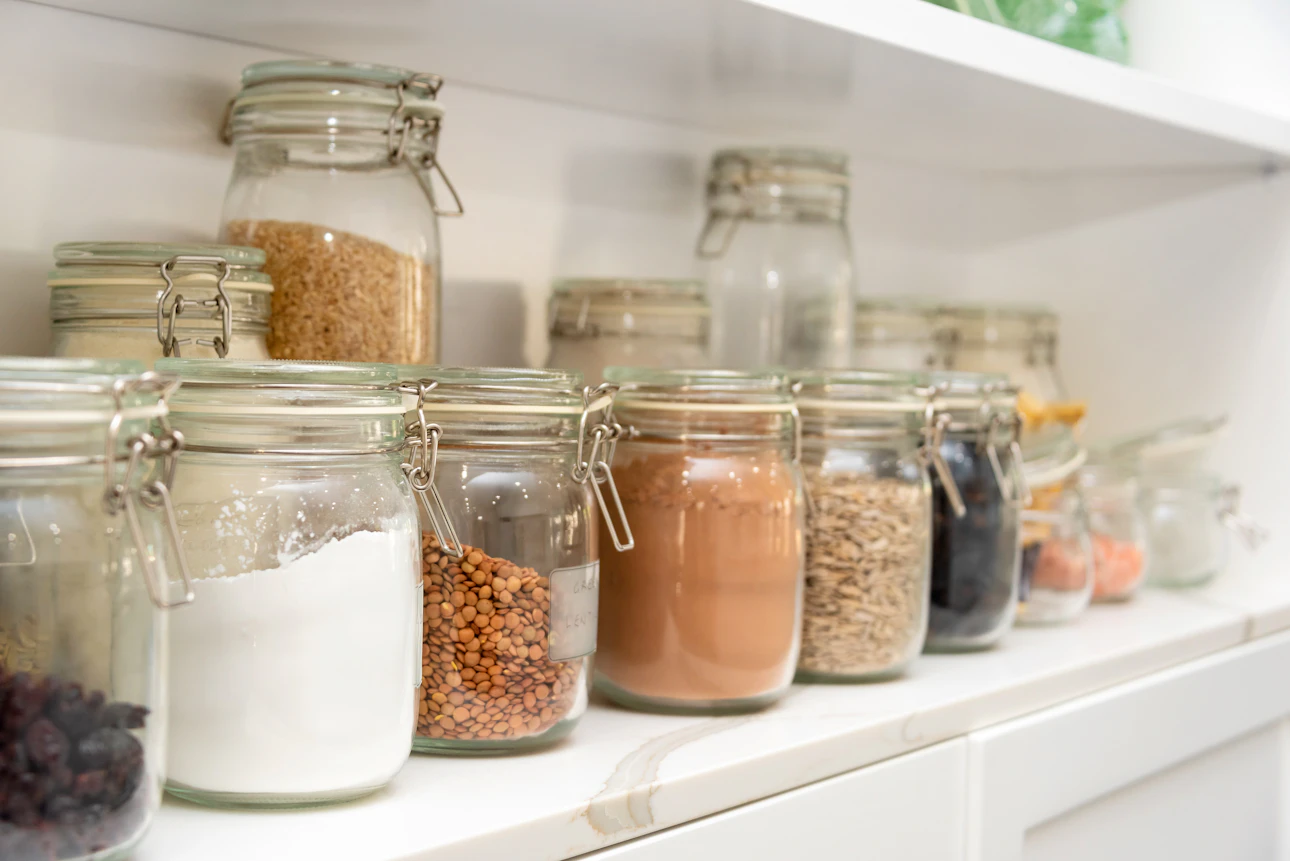
The failure mode here isn’t buying too little: it’s buying a pile of buckets you never open and forget you own. Start by understanding what lasts (a lot of it is longer than you’d guess, and some of it is shorter), then build a small rotation before you scale up to a real long-term pantry.
Freeze-Dried vs. Dehydrated vs. MRE
What lasts in long-term food storage, and which format fits your situation.
Read the full guide →Does Sugar Have a Shelf Life?
A quick, concrete example of a pantry staple that lasts far longer than most people assume.
Read the full guide →3. A trauma kit that covers more than splinters
This is the category I’d prioritize spending real money on, because it’s the one where a cheap or wrong choice has the highest cost. A drugstore first-aid kit handles cuts and scrapes; it doesn’t handle a bleeding injury severe enough to be life-threatening. Start with a real trauma kit.
After that: power and a grab-and-go bag
Once water, food, and first aid are handled, the next two things worth thinking about are keeping the lights on during an outage and having a bag ready if you ever need to leave quickly. Neither is as urgent as the first three, but both are worth planning for once the basics are covered.
Best Emergency Lantern for a Power Outage
A simple, cheap first step into backup power and light before you invest in a generator or solar setup.
Read the full guide →Natural Disaster vs. Civil Unrest
The bug-out bag decisions that change depending on the scenario, and the ones that don’t.
Read the full guide →You can browse every guide by topic on the homepage’s category tiles, or start with whichever focus area above matches what’s worrying you right now. There’s no wrong order: just don’t try to do all of it in one weekend.