Dried beans have a reputation as one of the great near-indefinite prepper staples: cheap, dense in calories and protein, and famous for sitting in a bucket for decades without spoiling. That reputation is mostly earned. But it also leaves out the part that actually matters if you plan to eat what you’re storing: dried beans don’t become unsafe with age, but they do get progressively harder to cook soft the older, warmer, and more humid their storage has been.
This is a real, well-documented phenomenon with a name, “hard-to-cook” beans, and it’s not the same thing as spoilage. A bag of beans can be perfectly safe to eat and still simmer for three hours on the stove and stay stubbornly tough. That’s not you doing something wrong in the kitchen. It’s chemistry happening slowly inside the bean while it sat in storage. This guide to dried beans shelf life explains why old beans refuse to get soft and what you can do about it.
Quick Verdict
| Storage Method | Dried Beans | Verdict |
|---|---|---|
| Original packaging, pantry (cool/dry) | Best quality roughly 1-4 years; safe well beyond that, but texture degrades | Fine for a rotating kitchen stock |
| Mylar bag + oxygen absorber, cool/dry | Commonly cited 10-30 years depending on source; university-extension figure is the more conservative 10+ years | Recommended for long-term/emergency storage |
| Vacuum-sealed (jar or bag), cool/dry | Similar to Mylar+O2, somewhat less studied; extends quality life well beyond original packaging | Good option, especially for glass jars you can inspect |
| Hot, humid, or fluctuating storage (garage, shed) | Beans may still be safe far longer than expected, but the hard-to-cook effect sets in much faster | Avoid for long-term storage regardless of container |
Bottom line: Properly dried beans, sealed and kept cool and dry, are extremely safe to store for years to decades. What actually limits their usefulness in storage isn’t safety. It’s how long they stay reasonably easy to cook, and that’s driven far more by heat and humidity than by the calendar.
Free Updates
I send an email when something’s worth your time: a new guide, a real price drop on something I recommend, or an actual safety alert. No spam, no daily digest, unsubscribe anytime.
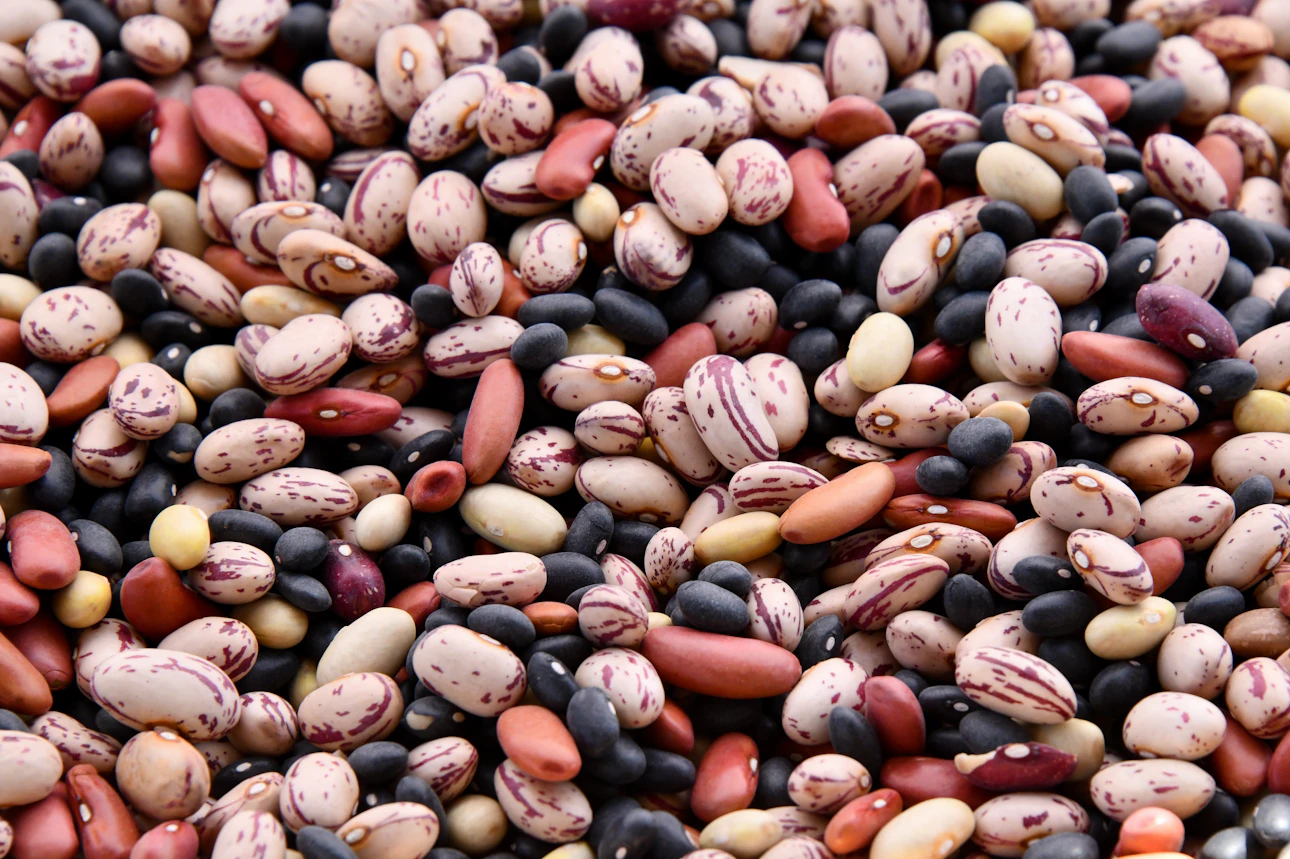
How to Tell Dried Beans Have Actually Gone Bad
Properly dried beans have very low moisture content, and that’s what makes them so shelf-stable in the first place. True spoilage is rare when beans are kept dry, but it does happen:
Real signs something is wrong:
- Visible mold. Rare in beans that have stayed dry, because mold needs moisture to establish. If you see mold, discard that batch.
- An off, musty, or damp smell. Fresh dried beans have very little smell, or a faint, neutral, earthy one. A musty, sour, or “basement” smell is a strong sign moisture has compromised the batch, even before mold becomes visible.
- Insect infestation. This is the spoilage issue people actually run into with dried beans, far more often than mold. Look for: small holes in individual beans, fine powder or “sawdust”-like residue in the bag, small beetles or larvae, webbing, or beans that look intact but feel unusually light or hollow. If you see live insects or clear infestation signs, the batch should be discarded.
What is not spoilage:
- Beans that take much longer to cook than they used to
- Beans that stay firm or “mealy” no matter how long you simmer them
- Slight darkening or dulling of color with age
- Wrinkled or slightly shriveled appearance
None of that is a safety issue. That’s the hard-to-cook phenomenon, and it’s the entire next section.
The Hard-to-Cook Phenomenon: Why Old Beans Won’t Soften
This is the part of dried-bean storage that gets the least attention and causes the most confusion. People assume beans that won’t get soft must be “bad” or “expired.” They’re not: they’re demonstrating a well-documented food-science phenomenon that researchers literally call “hard-to-cook” (HTC) beans.
What’s actually happening inside the bean
Fresh dried beans contain phytic acid (phytate), which, while the bean is fresh, binds up the calcium and magnesium naturally present in the bean, keeping those minerals separate from the pectin in the bean’s cell walls. Pectin is the substance that holds plant cell walls together; it’s the same family of compound that makes jam set.
As beans sit in storage (and especially in warm, humid conditions) an enzyme naturally present in the bean (phytase) slowly breaks down that phytate over time. That releases the calcium and magnesium ions, which then migrate into the middle lamella. The thin layer of pectin that cements neighboring cells together inside the bean. Once there, those minerals form stable calcium and magnesium pectate cross-links. Unlike the original pectin structure, these mineral-reinforced cross-links resist breaking down under heat.
That’s the whole mechanism: the bean is quietly building its own internal mortar over months and years in storage, and that mortar doesn’t dissolve just because you boil it for three hours. This is the same basic chemistry, incidentally, as why beans cooked in hard water (naturally high in calcium and magnesium) can stay tough regardless of age. The minerals are just coming from the cooking water instead of migrating internally during storage.
Why this is a texture issue, not a safety issue
None of this process makes the bean unsafe. It’s purely structural. A change in how the cell walls hold together, not any kind of bacterial or fungal spoilage. A hard-to-cook bean that’s otherwise free of mold, off-smell, and insect damage is entirely safe to eat. It’s just going to take a lot longer to get there, and past a certain point of hardening, some beans may never fully soften no matter how long you cook them.
What accelerates it
- Heat. Warm storage speeds up both the enzymatic breakdown of phytate and the mineral migration into the cell wall.
- Humidity. Moisture accelerates the same reactions. This is a major reason a hot, humid garage or shed is a worse place to store beans long-term than a cool, dry closet.
- Simple time. Even under ideal cool, dry conditions, some degree of hardening is essentially inevitable over a long enough timeline. It just happens much more slowly.
What actually helps when cooking older beans
- Soak longer, and consider adding a small amount of baking soda to the soaking water: raising the pH this way is commonly cited as helping loosen the pectin structure in beans that have started to harden.
- Add salt during cooking, not after. Contrary to old kitchen folklore that salt toughens beans, sodium ions actually displace some of the calcium/magnesium cross-linking and can help beans cook more evenly.
- Hold off on acidic ingredients (tomatoes, vinegar, wine, citrus) until the beans are already tender. Acid slows the pectin breakdown that softening depends on.
- Accept a longer cook time as the honest baseline for older stored beans, and budget for it rather than assuming something is wrong.
Storage Method Comparison
Original packaging (bag, box), pantry, cool/dry
The default for a kitchen stock you’re rotating through in normal cooking. A cool, dry cabinet away from heat sources is enough to keep beans safe well past a year. For quality, meaning beans that cook up in a reasonable time, a commonly cited window is roughly 1 to 4 years, after which the hard-to-cook effect becomes more noticeable even in decent storage conditions.
Mylar bag + oxygen absorber (the classic long-term prepper method)
This is the standard approach for beans intended for serious long-term or emergency storage, using the same basic method commonly used for rice and wheat. The idea is to remove both moisture exposure and oxygen, since oxygen contributes to oil rancidity in the beans and, along with humidity, accelerates the hard-to-cook chemistry described above.
- Practical sizing guidance commonly cited across food-storage suppliers: roughly 300-500cc of oxygen absorber capacity per 1-gallon Mylar bag, and roughly 2,000-2,500cc per 5-gallon bucket liner, for dense dry goods like beans and rice. A 10-pack of 5-gallon Mylar bags with oxygen absorbers included (the listing gives 2500cc) fits that 5-gallon figure.
- Shelf-life figures vary by source. A conservative university-extension figure puts #10 cans or Mylar bags with oxygen removed at roughly 10 or more years, with one cited study finding 30-year-old stored pinto beans still had greater than 80% acceptance in a consumer taste panel for emergency food use. Several prepper-community and food-storage-retailer sources cite a more specific and more optimistic 20-30 year range.
- Temperature matters more than most people assume. A widely repeated rule of thumb in food-storage literature holds that shelf life roughly halves for every 10°F increase in storage temperature. Practically: a cool basement or interior closet will meaningfully outperform a hot garage or attic for a bucket you’re not planning to open for years.
Vacuum sealing (jar or bag)
Vacuum sealing removes most of the air without necessarily removing it as thoroughly as an oxygen absorber inside a true oxygen/moisture barrier like Mylar. Vacuum-sealed glass jars have the advantage of letting you actually see the contents. Realistic shelf life sits somewhere between original packaging and full Mylar+O2 storage.
The practical takeaway
If you’re buying beans to rotate through meals over the next year or two, original packaging in a cool pantry is fine. If you’re building an emergency food supply meant to sit untouched for a decade or more, Mylar+oxygen absorber (or vacuum-sealed glass as a close second) is the method actually built for that job.
Common Mistakes
- Storing beans in a hot garage, shed, or attic. The single biggest accelerant of the hard-to-cook effect.
- Not checking for pantry pests before sealing beans for long-term storage. Sealing an already-infested batch into Mylar with an oxygen absorber doesn’t fix the problem. It just seals it in.
- Mixing old and new stock without labeling. Beans of different ages cook at different rates. Label containers with a pack date.
- Expecting old stored beans to cook on the same timeline as fresh ones. Budgeting a normal 45-60 minute simmer for beans that have been in storage for years is how people end up assuming a batch is “ruined” when it’s simply going to need a longer soak and cook time.
- Adding acidic ingredients too early when cooking older beans. Tomatoes, vinegar, or wine added at the start of the pot can meaningfully slow softening in beans that already have some hard-to-cook character.
Still stocking the pantry? I’ve also broken down the shelf life of powdered milk, pasta, and salt elsewhere on the site.
Free Updates
I send an email when something’s worth your time: a new guide, a real price drop on something I recommend, or an actual safety alert. No spam, no daily digest, unsubscribe anytime.
FAQ
Are old dried beans safe to eat?
Yes, as long as they’re free of mold, off/musty smell, and insect infestation. Age on its own doesn’t make dried beans unsafe. What changes with age is texture and cook time, not safety.
Why won’t my beans get soft no matter how long I cook them?
This is the hard-to-cook phenomenon: a well-documented food-science effect where minerals naturally present in the bean gradually form heat-resistant cross-links in the bean’s cell walls during storage. It happens faster in warm, humid storage conditions. It’s a texture issue, not spoilage: try a longer soak with a small amount of baking soda, and budget significantly more cook time.
How long do dried beans actually last?
For safety, properly dried beans stored cool and dry can last many years to decades. For quality/texture, a commonly cited range is roughly 1-4 years in original packaging before hard-to-cook effects become noticeable, and roughly 10-30 years in Mylar with an oxygen absorber depending on the source.
Does refrigerating or freezing dried beans help them last longer?
Freezing dried beans isn’t standard practice and isn’t necessary for safety. A brief freeze period is sometimes used specifically to kill any light insect infestation before long-term sealing, not as an ongoing storage method.
Do I need oxygen absorbers to store dried beans long-term, or is a sealed container enough?
A sealed container alone handles the moisture and pest side. Oxygen absorbers inside a proper oxygen/moisture-barrier bag like Mylar go a step further. They slow oil rancidity and help slow the humidity-driven chemistry behind the hard-to-cook effect, which is why they’re the standard method for beans intended to sit untouched for a decade or more.
The Prep Verdict is reader-supported. If you buy through a link on this page, I may earn a commission at no extra cost to you. See my full disclosure for details. I only recommend products I’d actually put in my own emergency supplies.