I’ll say the quiet part up front, because it’s the one thing that makes cooking oil shelf life different from almost every other page in this series: cooking oil actually goes bad. Sugar, salt, rice, honey, the foods I’ve covered elsewhere in this series, are near-indefinite pantry staples if you store them right. Cooking oil isn’t. It oxidizes. It goes rancid. And depending on which bottle you’re talking about, “rancid” might be a two-year clock or a two-month one.
That’s not a knock on oil as a pantry item: it’s useful information, because it means cooking oil needs to be treated differently in a storage plan than almost everything else on your shelf. This is the one item in the whole series where “buy it once and forget about it” is the wrong instinct. Get that wrong, and you either end up cooking with oil that’s quietly degraded past its best, or you toss a perfectly fine bottle out of unnecessary caution because nobody explained what “gone bad” actually looks like for oil specifically.
So this page does two things. First, it tells you exactly how to recognize real rancidity. The smell, the texture, the signs that separate “past its prime” from “actually spoiled.” Second, and more usefully, it breaks down why shelf life varies so much oil to oil, because that variation is the real story here. A jug of refined coconut oil and a bottle of cold-pressed flaxseed oil are not the same kind of product from a storage standpoint, even though they sit on the same supermarket shelf.
Quick Verdict
| Oil Type | Realistic Shelf Life (Unopened) | Rotation Verdict |
|---|---|---|
| Refined coconut oil / palm oil | ~2 years, some sources claim longer | Best candidate for long-term storage among common cooking oils |
| Canola, vegetable, refined/”light” olive oil | ~1 to 2 years (roughly 24 months per unopened pantry guidance) | Fine for a working kitchen supply; still needs real rotation, not a “buy once” item |
| Extra virgin olive oil | ~1 to 2 years unopened from harvest; much shorter once opened (weeks to a few months for peak quality) | Buy in a size you’ll actually finish: don’t bulk-buy EVOO |
| Walnut oil / other cold-pressed, unrefined oils | ~1 year unopened; refrigerate after opening | Not a stockpile item: buy small, use quickly |
| Flaxseed oil | A few months, even unopened; refrigeration is essentially mandatory | Doesn’t belong in long-term storage at all |
Bottom line: cooking oil shelf life comes down to fat type: the more saturated the fat, the longer the oil lasts; the more polyunsaturated, the shorter. Unlike sugar, rice, or salt elsewhere in this series, cooking oil is a rotation item: plan to use it and replace it, not to stockpile it once and walk away.
Free Updates
I send an email when something’s worth your time: a new guide, a real price drop on something I recommend, or an actual safety alert. No spam, no daily digest, unsubscribe anytime.
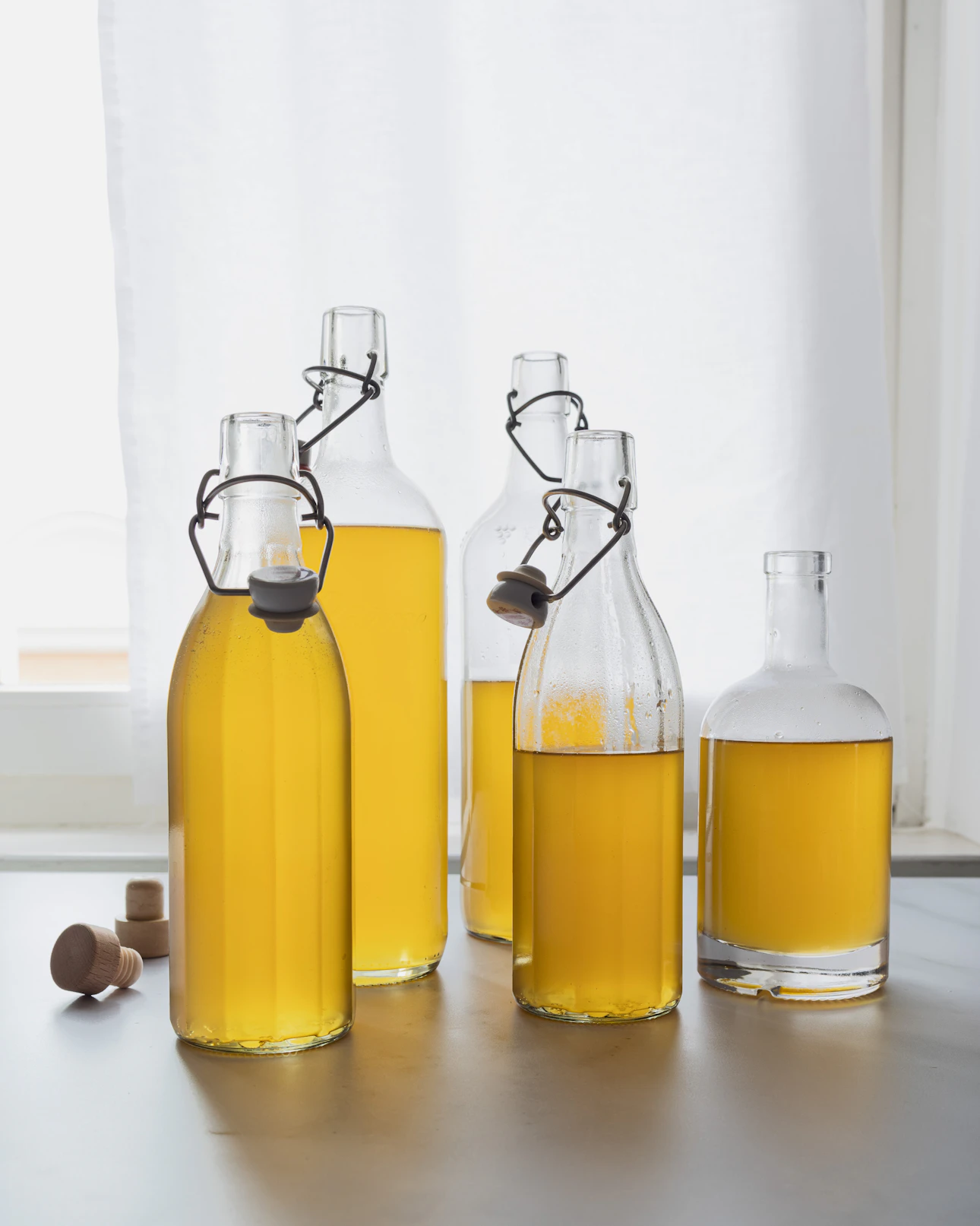
How to Tell Cooking Oil Has Gone Rancid
Why oil goes rancid in the first place
Oil spoilage is fundamentally different from the bacterial spoilage you’re probably used to watching for in other foods. Cooking oil goes bad through oxidation. A straightforward chemistry problem, not a microbial one. The fat molecules (triglycerides) in oil react with oxygen over time and break down into smaller compounds, and it’s those breakdown compounds that produce the off-smells and off-tastes of rancid oil. Light and heat both speed this reaction up significantly, which is why storage conditions matter so much more for oil than they do for something like sugar or rice.
The signs to actually check for
- Smell: the clearest and most reliable sign. Pour a small amount into a spoon or cup and smell it directly. Fresh refined oil smells close to neutral; rancid refined oil (vegetable, canola, and similar) tends to smell “off” in a way people commonly describe as crayon-like, faintly metallic, or sour. Not a subtle difference once you notice it. For unrefined oils like extra virgin olive oil, the oil’s own natural aroma can mask early rancidity, so taste is actually the more reliable check: warm a small amount, take a sip, and pay attention to whether it tastes flat, sour, or “off” compared to how it tasted when you first opened it. (This is also why it’s worth smelling and tasting a bottle when you first open it. You want a baseline to compare against later.)
- Darkening in color. A gradual shift toward a darker shade over time, beyond normal bottle-to-bottle variation.
- Thickening or stickiness. Rancid oil can develop a slightly tacky or sticky feel, especially noticeable around the spout or cap threads.
- Foaming or smoking at a lower temperature than usual. If oil you’ve used many times before suddenly starts smoking well below its normal cooking temperature, or foams unusually when heated, that’s a sign it’s broken down and past its useful life for cooking.
What this means for whether you should eat it
Here’s the honest, non-alarmist answer: rancid oil in small amounts isn’t considered an acute food-safety hazard the way spoiled meat or dairy is. It’s not going to make you sick the way bacterial contamination would. But it has degraded nutritionally (oxidation breaks down beneficial compounds like antioxidants and, in oils that have them, omega-3 fatty acids) and it tastes bad enough to ruin whatever you cook with it. The right move is simple: if it smells or tastes off, don’t use it. A single exposure isn’t dangerous, but a nutritionally degraded, bad-tasting ingredient has no upside when a fresh bottle solves the problem.
Cooking Oil Shelf Life by Type: Why It Varies So Much
This is the part that actually matters for a storage plan, because “cooking oil” isn’t one product with one shelf life. It’s a category that spans nearly a 10x range depending on the fat profile of what’s in the bottle. The general rule, confirmed consistently across every source checked: the more saturated the fat, the more resistant it is to oxidation and the longer it lasts. The more polyunsaturated the fat, the faster it goes rancid.
| Oil Type | Typical Shelf Life (Unopened) | After Opening | Why |
|---|---|---|---|
| Refined coconut oil / palm oil | ~2 years by most manufacturer guidance; some prepper-focused sources claim 5+ years is achievable, though that longer figure isn’t independently confirmed against a lab or government source | ~6 months | Very high saturated fat content (coconut oil runs over 85% saturated) makes these resistant to oxidation. The most shelf-stable common cooking oils |
| Canola oil, vegetable oil, refined/”light” olive oil | ~2 years (roughly 24 months) unopened in a cool pantry, per food-safety reference data | Roughly 6 months is a reasonable general guideline for refined oils once opened | Refining removes free fatty acids and other impurities that would otherwise accelerate rancidity, which is a real part of why these hold up longer than their raw/cold-pressed counterparts despite a similar underlying fat profile |
| Extra virgin olive oil | Roughly 1 to 2 years unopened, best used within about a year of the harvest date printed (or coded) on quality bottles | Considerably shorter: commonly cited guidance runs 1 to 3 months for peak flavor and health-compound retention, though it won’t necessarily turn rancid the moment that window closes | Being unrefined preserves the polyphenols and antioxidants responsible for EVOO’s flavor and health reputation, but those same compounds degrade with light, heat, and air exposure, which is exactly why EVOO needs more careful handling than a refined oil even though it’s still a predominantly monounsaturated fat |
| Walnut oil and other cold-pressed, unrefined oils | About 1 year unopened (pantry or refrigerator both work for an unopened bottle) | Refrigerate after opening; roughly 6 months is a reasonable target once open | Higher polyunsaturated fat content than refined oils, and the cold-pressed/unrefined process (like EVOO) doesn’t remove the compounds that speed oxidation the way refining does |
| Flaxseed oil | Only about 4 to 6 months from its production date: even unopened, even before you factor in opening it | Considerably shorter once open, and refrigeration is essentially mandatory from the moment you buy it, not just after opening | The most polyunsaturated-heavy oil on this list (it’s a common source of plant-based omega-3s), which makes it the fastest to oxidize by a wide margin. It also shouldn’t be heated or cooked with. It’s a finishing/salad oil only, which somewhat limits its relevance to a “cooking oil” shelf-life comparison but it’s worth knowing if you keep a bottle on hand |
The pattern in one sentence: refined + saturated = long shelf life; unrefined + polyunsaturated = short shelf life, and most common cooking oils fall somewhere on that spectrum rather than at either extreme.
Storage Method Comparison
Pantry (cool, dark, away from the stove)
This is the right default for most refined oils in regular kitchen use: canola, vegetable, refined coconut or palm oil, and refined/light olive oil all do fine in a cool cabinet away from direct light and away from heat sources. That last part matters more for oil than for almost anything else in a pantry: a cabinet directly above or beside the stove is a bad spot for oil, because it’s exposed to real heat every time you cook, which measurably speeds oxidation over time even if it never gets hot enough to be dangerous.
Refrigeration
Refrigeration meaningfully extends shelf life for the oils most prone to going rancid: nut and seed oils (walnut, flaxseed, sesame) benefit clearly from it, and flaxseed oil in particular should be refrigerated essentially all the time, not just after opening. For refined oils like canola or vegetable oil, refrigeration isn’t necessary and most people don’t bother. A cool pantry does the job.
One thing worth knowing so it doesn’t alarm you: olive oil (and some other oils) can turn cloudy or partially solidify in the refrigerator. This is a normal, reversible physical reaction to cold temperature, not a sign of spoilage, and the oil returns to its normal clear liquid state once it warms back to room temperature. Coconut oil behaves similarly outside the fridge too; it’s solid below roughly 76°F and liquid above it, and that’s just how the product behaves, not a quality issue.
Dark glass / opaque containers vs. clear containers
Light exposure measurably accelerates rancidity, and this is confirmed consistently across storage guidance for oil generally and for EVOO specifically. Dark glass bottles or opaque containers block that light exposure; clear glass or clear plastic bottles, which is how a lot of supermarket oil is actually sold, don’t. If your oil comes in a clear bottle, keeping it in a dark cabinet rather than on an open, sunlit counter does real work here. A pretty glass oil bottle on display next to a sunny kitchen window looks nice and is bad for the oil inside it.
Long-term bulk storage for a prepper stockpile
Here’s the honest picture, because it’s different from almost everything else in this series: most cooking oils don’t have the multi-year-to-indefinite shelf life that other items in a long-term food storage plan do. Sugar, salt, white rice, and honey can realistically be bought once and stored for years to decades with minimal degradation. Cooking oil, in almost every common form, cannot. It’s a rotation item, and treating it like a “buy it once” staple is how people end up with rancid oil in an emergency supply right when they need it.
That said, some oils are meaningfully better long-term candidates than others:
- Refined coconut oil is the strongest realistic choice for a longer-duration stockpile among common cooking oils, given its high saturated fat content and roughly 2-year (or longer, by some accounts) unopened shelf life. It’s also solid at cool room temperature, which some people find reassuring as a rough, informal freshness indicator, though it’s not a substitute for actually checking smell and taste periodically.
- Refined palm oil is a similar profile to coconut oil, though less commonly stocked by U.S. households.
- Canola, vegetable, and refined olive oil are reasonable for a shorter-duration supply (think months to about two years) but need to be part of an active rotation plan, not a set-and-forget stockpile.
- Skip nut oils and flaxseed oil entirely for long-term storage. Their short shelf life and refrigeration requirements make them a poor fit for a supply meant to sit for an extended period.
The practical takeaway: if cooking oil is part of your storage plan, budget for actually rotating through it (buying a reasonable quantity, using it in normal cooking, and replacing it before it turns) rather than treating it the way you’d treat a bag of rice or a bucket of sugar.
Common Mistakes That Shorten Cooking Oil’s Life
- Storing it near the stove or another heat source. The most common mistake, and one of the easiest to fix. That cabinet right above or next to the stove is convenient but speeds up rancidity every time you cook.
- Buying a bulk size larger than you’ll realistically use before it goes rancid. A giant jug of oil looks like good value per ounce, but if it takes you 18 months to work through a 2-year-shelf-life bottle once it’s opened and exposed to air repeatedly, you may not be saving anything.
- Keeping clear-bottled oil somewhere it gets direct sunlight. A sunny counter or windowsill is one of the worst realistic spots for oil in a clear container: light exposure is a real, measurable accelerant of rancidity, not a minor cosmetic concern.
- Not smelling or tasting oil before using it in a big batch of food. A quick smell test takes five seconds and can save an entire dish. This matters more the older or less frequently used a bottle is.
- Treating the “best by” date as either a hard cutoff or something to ignore entirely. It’s neither. It’s a quality estimate, not a safety deadline, but it’s also not meaningless. Use it as a reason to actually check the oil (smell, taste, appearance) around that time, rather than either tossing a fine bottle early or assuming an old bottle is automatically still good.
Still stocking the pantry? I’ve also broken down the shelf life of sugar, eggs, and MREs elsewhere on the site.
Free Updates
I send an email when something’s worth your time: a new guide, a real price drop on something I recommend, or an actual safety alert. No spam, no daily digest, unsubscribe anytime.
FAQ
Does cooking oil actually expire?
Yes: unlike some other pantry staples, cooking oil degrades over time through oxidation, and eventually goes rancid. How long that takes varies enormously by oil type, from a few months (flaxseed oil) to roughly two years or more (refined coconut oil), but essentially all common cooking oils will eventually go bad if kept long enough, especially once opened.
How can I tell if my cooking oil has gone rancid?
Smell is the most reliable first check: rancid refined oil often smells crayon-like, metallic, or sour; rancid unrefined oil (like EVOO) is often easier to catch by taste than smell, since its own aroma can mask early rancidity. Other signs include a darker color than usual, a slightly sticky or tacky texture, and smoking or foaming at a lower temperature than the oil normally does when heated.
Is rancid oil dangerous to eat?
Generally not in the acute sense: eating a small amount of rancid oil isn’t considered a food-safety emergency, and at most may cause minor digestive discomfort, not the kind of illness you’d get from bacterial contamination. That said, it has degraded nutritionally (losing beneficial compounds like antioxidants and, in some oils, omega-3s) and tastes unpleasant, so the right move is simply not to use it. One exposure isn’t dangerous, but there’s no reason to cook with a nutritionally degraded, bad-tasting ingredient once you’ve got a fresh bottle available.
Should I refrigerate my cooking oil?
For nut and seed oils (walnut oil, flaxseed oil, sesame oil) yes, refrigeration meaningfully extends their (already fairly short) shelf life, and flaxseed oil in particular should stay refrigerated essentially all the time. For refined oils like canola, vegetable, or standard olive oil, refrigeration isn’t necessary; a cool, dark pantry works fine. If you do refrigerate an oil like olive oil, don’t be alarmed if it turns cloudy or partially solidifies. That’s a normal, reversible reaction to cold, not spoilage.
Why did my olive oil turn cloudy or solid in the fridge?
That’s a normal physical response to cold temperature, not a sign anything is wrong. It returns to its usual clear, liquid state once it warms back up to room temperature. Coconut oil does something similar outside the fridge too. It’s simply solid below roughly 76°F and liquid above it.
Which oils are the best choice for long-term emergency food storage?
Refined coconut oil is the strongest realistic pick among common cooking oils, given its high saturated fat content and roughly 2-year-plus unopened shelf life: refined palm oil is similar. Canola, vegetable, and refined olive oil work for shorter-duration storage (months to about two years) but need active rotation, not a buy-once approach. Nut oils and flaxseed oil aren’t good long-term storage candidates at all: their short shelf life and refrigeration requirements make them a poor fit for a supply meant to sit untouched for an extended period. The honest bottom line: unlike sugar, salt, or rice elsewhere in this series, cooking oil is a rotation item in any long-term food storage plan, not a “buy it once” staple.
The Prep Verdict is reader-supported. If you buy through a link on this page, I may earn a commission at no extra cost to you. See my full disclosure for details. I only recommend products I’d actually put in my own emergency supplies.