Apartment & Urban Prepping
Most emergency-preparedness advice assumes you own a house with a garage, a yard, and a place to run a generator. If you’re in an apartment, a condo, or a small urban rental, a lot of that advice doesn’t apply, and some of it is actively unsafe to follow (running fuel-burning equipment indoors, for one). This page is for building real readiness inside space and lease-restriction constraints.
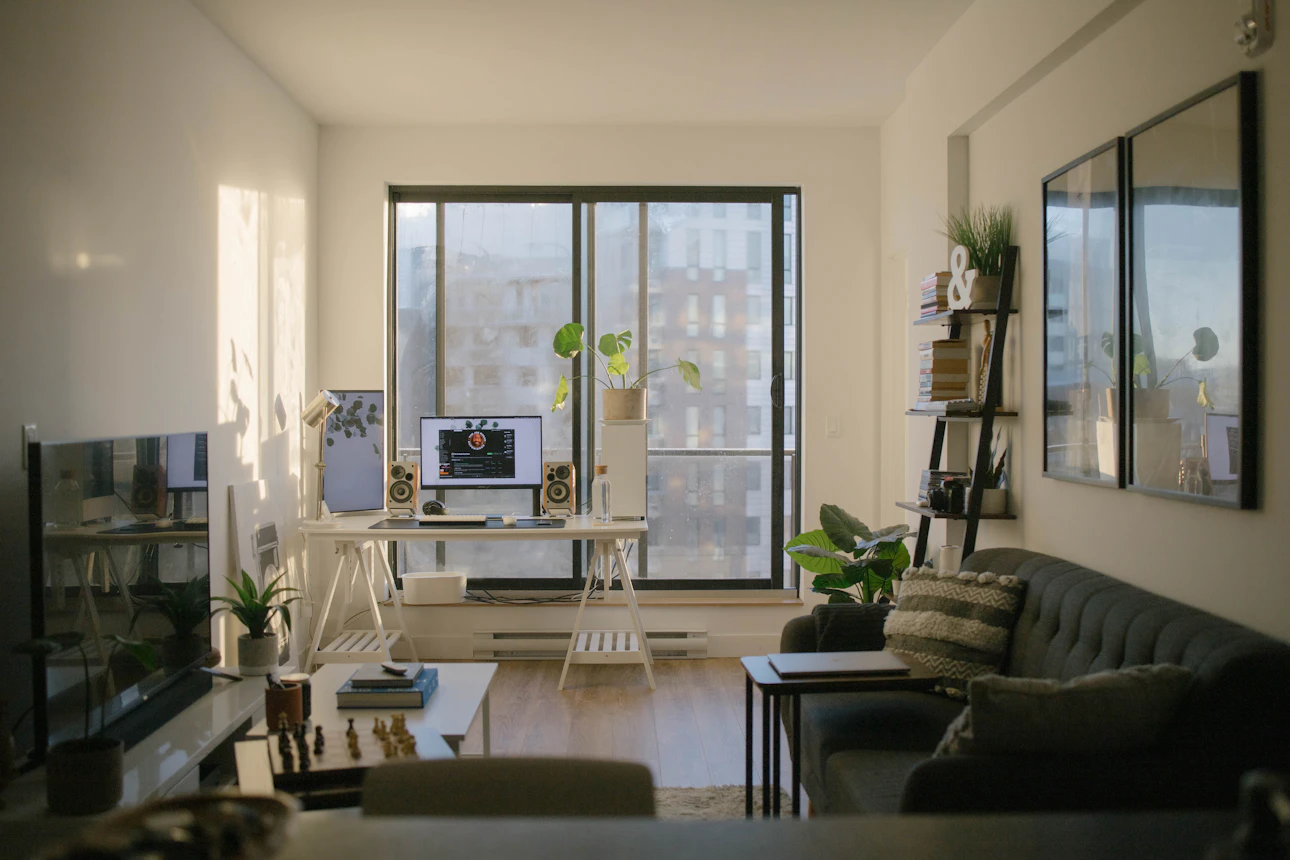
The good news: apartment prepping isn’t a smaller, sadder version of house prepping. It’s a different set of priorities. Space efficiency and portability matter more than raw quantity, indoor-safe power matters more than generator wattage, and a fast, grab-and-go plan matters more than a basement full of supplies you’d have to leave behind anyway.
Water storage that doesn’t eat your closet
You don’t have room for 55-gallon drums, and you probably don’t need them. Most apartment households are better served by a compact filter plus a rotation of purification tablets than by bulk storage they’d have to find space for.
Not sure how much water your household needs? Use my free household water calculator to get a number sized to your apartment-sized household, so you know exactly how much space to plan for.
Best Emergency Water Filter for a Home Power Outage
A compact option sized for a household, not a backpacking trip.
Read the full guide →Water Purification Tablets vs. Filters
Tablets are the more space-efficient of the two: this breaks down when you need each.
Read the full guide →Food that fits in a kitchen cabinet, not a root cellar
You’re working with cabinet and closet space, not a pantry room. Freeze-dried meals and shelf-stable staples pack a lot of calories into very little volume, which matters more in an apartment than raw cost-per-serving does.
Freeze-Dried vs. Dehydrated vs. MRE
Freeze-dried in particular packs the most calories into the least shelf space.
Read the full guide →MRE Shelf Life: How Long Do MREs Last?
A genuinely compact, no-cooking-required option worth understanding before you buy a case.
Read the full guide →Power and light that’s safe to use indoors
This is the one where apartment living genuinely changes the answer: a gas or propane generator is not safe to run inside a unit or on a balcony, full stop. Battery-based lighting and power banks are the realistic apartment answer, not a smaller generator.
A bag that’s ready for a fast building evacuation
A fire, a gas leak, or a building-wide emergency in an apartment complex can mean leaving in minutes, often down stairs, often with neighbors doing the same thing. Your bag needs to be genuinely grab-and-go, not something you’d have to assemble under pressure.
A trauma kit doesn’t need a house to matter
Apartment living doesn’t lower the odds of needing real first aid: if anything, help can take longer to reach a multi-unit building during a widespread emergency. This is worth prioritizing regardless of square footage.
Never run a gas, propane, or dual-fuel generator inside an apartment, on a balcony, or in an attached garage: carbon monoxide from combustion engines can build up to lethal levels in enclosed or semi-enclosed spaces faster than most people expect. If backup power is a priority for you, a battery power station is the apartment-safe category to look at instead; I’ll cover specific picks here as the site’s power-station coverage expands.